Posts

How digital badges can help you reveal information about people

Image
What are Digital Badges? Digital badges (also known as e-badges ) are a validated indicator of accomplishment, skill, quality or interest that can be earned in various learning environments. In other words, it’s a certificate that “proves” that you have obtained some kind of skill/training and its validity is guaranteed by the authoring organization. Digital Badges are used very often and their popularity constantly increases, as the time goes by. They help people reinforce their CV or LinkedIn (or similar sites) profiles. Why are they important in an OSINT investigation? Due to their nature, digital badges are meant to be public. Otherwise, they cannot be publicly shared to potential employers, in order to verify the skills, the potential employee is claiming to possess. There are work-arounds to this like providing a code to the potential employer so that he/she can visit the site offering the digital badge and use this code for verification purposes, but let’s be honest…you d...

Geolocation challenge #3: The power of reverse image search. Hit or Miss!

Image
As part of my OSINT Dojo journey I made the following video to walk you through on how I solved one of their quizzes . This time you can watch, rather than read. Enjoy! Thanks for watching! Do you have a question/comment regarding this methodology? Please e-mail me at theinspector32@protonmail.com, or send me a message on twitter .

Geolocation Challenge #2: The power of image editing

Image
For today’s blog post we will solve the @quiztime challenge set by @julia bayers on 05/01/2021 in twitter. The challenge is as follows: Where was this photo taken? What happened here recently? Answering the “where” question: On a previous blog post, we talked about finding unique elements inside a photo, in order to help us geolocate the place it has been taken. Looking at this picture we can see an interior of something that looks like a castle (museum?), a unique plaque with a black hat sculpture on it and many arches shaped outside of the windows. The stairs on the left and the light bulbs hanging from the ceiling are not considered unique elements that could help us identify the place as they could be found in many places in the world. So let’s take these elements one by one: Castle (museum?) with many arches outside: When I tried multiple combinations with some or all of the words “castle” “museum” “arches” “exterior” and other relevant for google queries,...

Geolocation & Chronolocation challenge #1: A trip to Cologne

Image
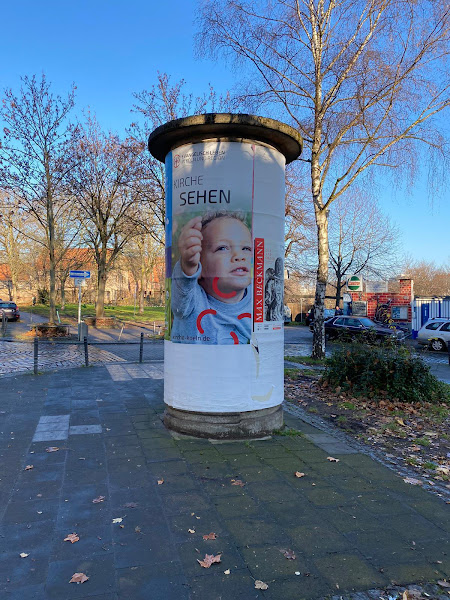
For my first post I decided to write about a geolocation challenge. The challenge was set by Julia Bayer and was part of the quiz time initiative on Twitter, where OSINT experts challenge others to geolocate the exact place and time a photo was taken. This particular challenge can be found here . Although the geolocation challenge is a week old, I believe what’s important is showing the way you can simply geolocate and chronolocate a photo. The challenge: So the challenge was as shown below: ๐Ÿ‘Where was this photo taken? ๐Ÿ—“ When was this photo taken? (timeframe) Bonus: At what time? Answering the “where” question: When trying to geolocate a photo, you should always focus on all unique elements inside it. Unique elements are those that can provide crucial information that cannot be found anywhere but in a very specific place/area. The unique elements for this photo are the posters found on this column, a sign with the logo “Castrol” and some blurred boards containing letter...